
Maria found the chairs behind a crumbling shed at the edge of her grandmother’s garden. They were crooked, sun-bleached, and tired—like they had spent years waiting for someone to notice them again. The small table nearby leaned awkwardly to one side, one leg shorter than the others, as if it had given up trying to stand proud.
Most people would have walked past them. Maria didn’t.
She dragged the two chairs and the table into the light, brushing off layers of dust and dry leaves. The wood underneath was still strong. “You just need a second chance,” she murmured, as if they could hear her.
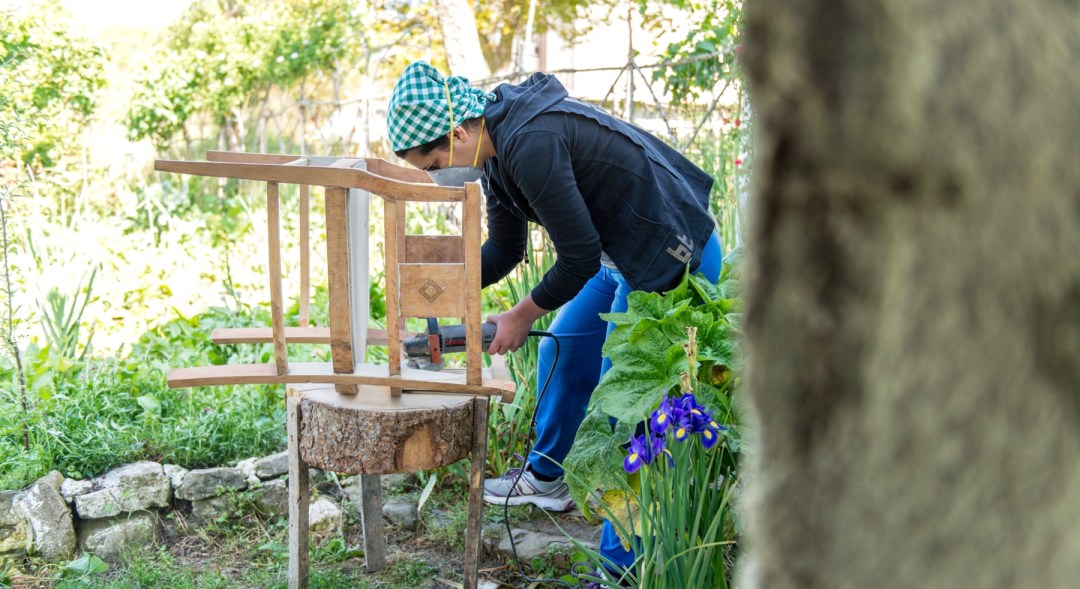
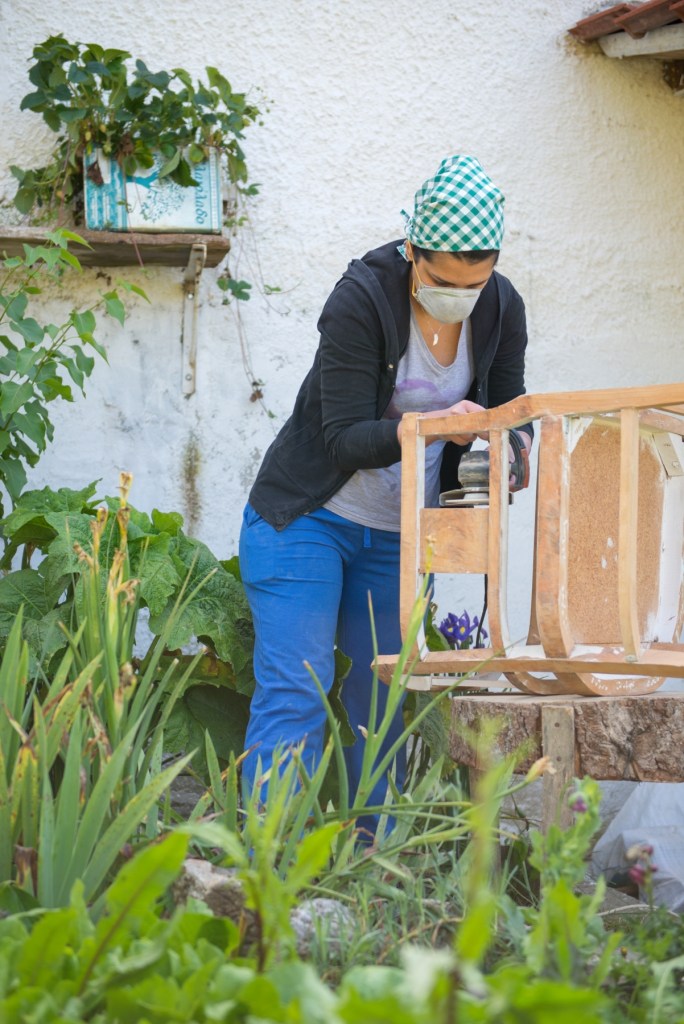
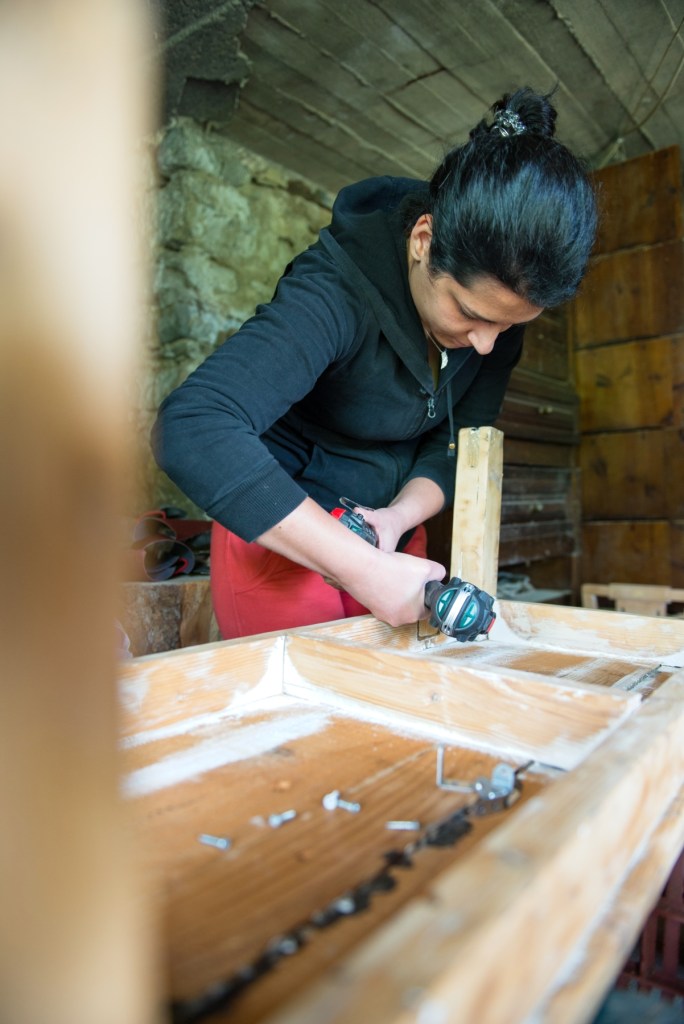
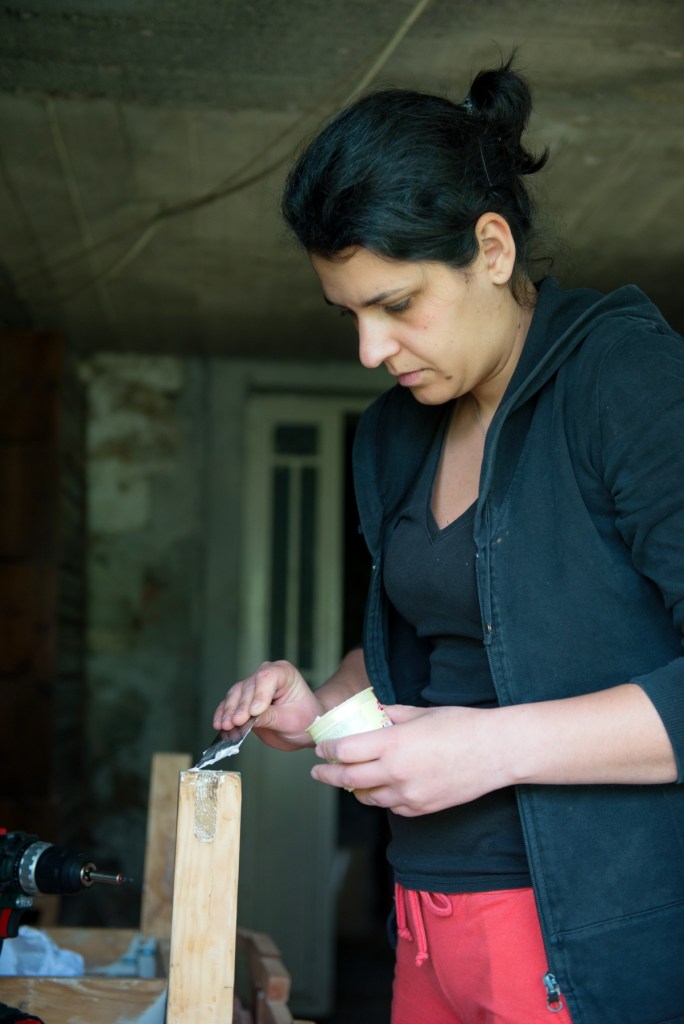
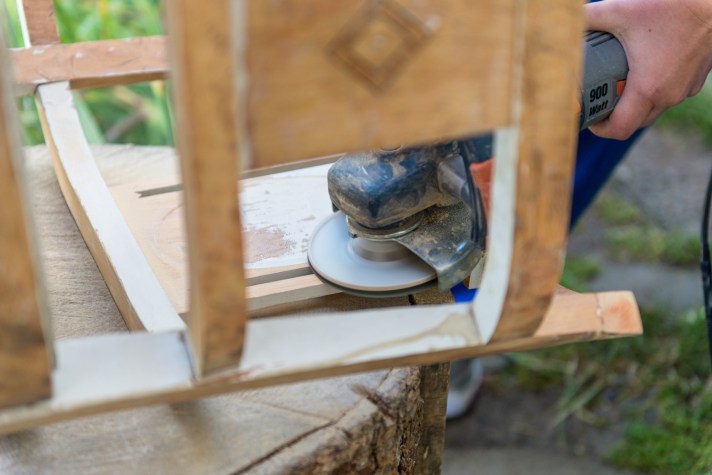
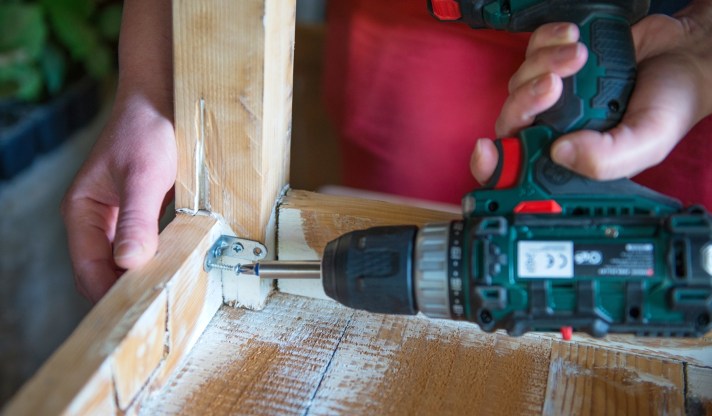
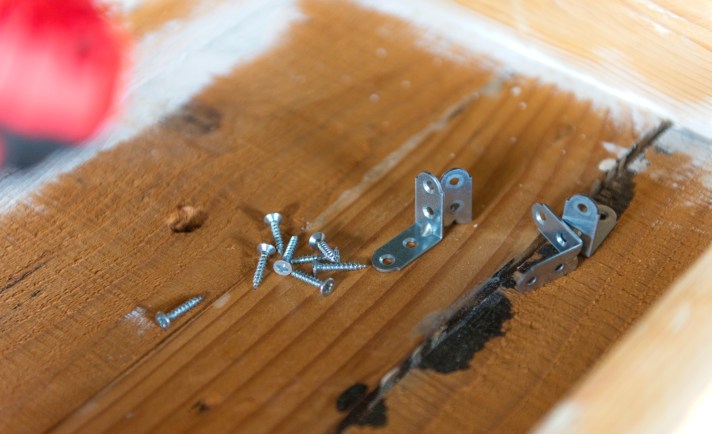
Every afternoon, she worked on them. She sanded away the roughness, slowly revealing the soft grain hidden beneath years of neglect. Her hands grew tired, but she liked the feeling—it was honest work. The chairs stopped wobbling after she tightened their joints, and the table finally stood steady once she fixed its stubborn leg.
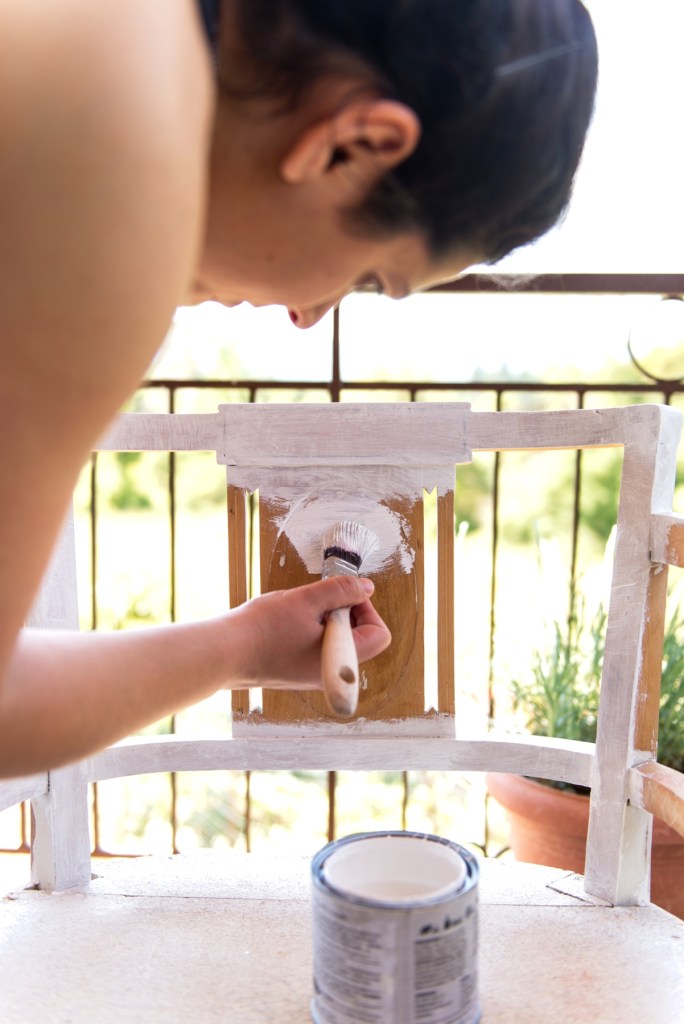
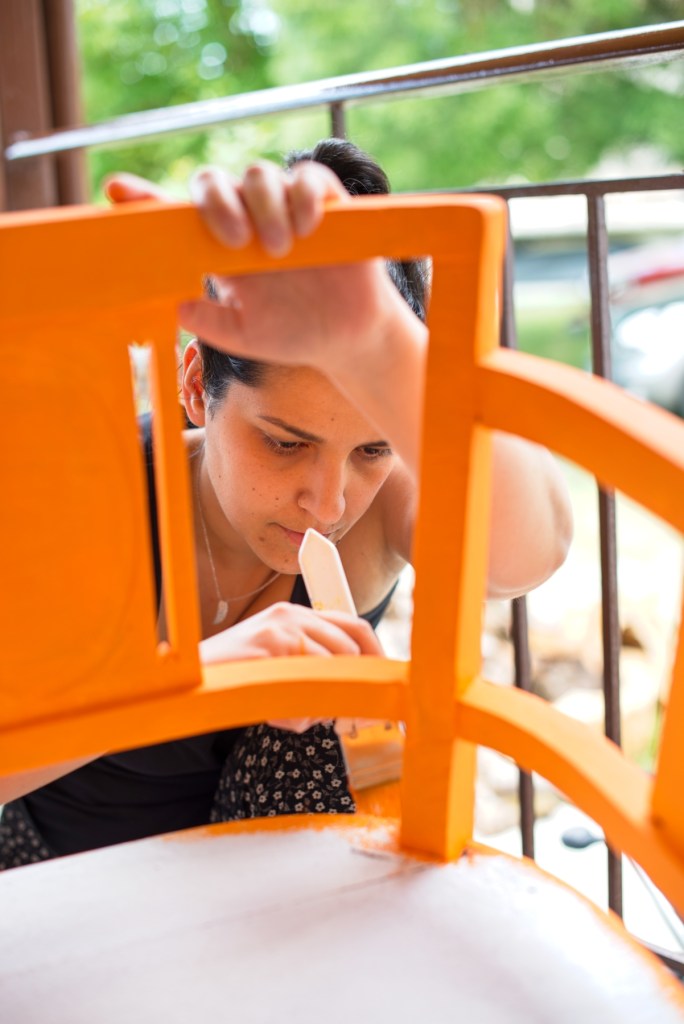
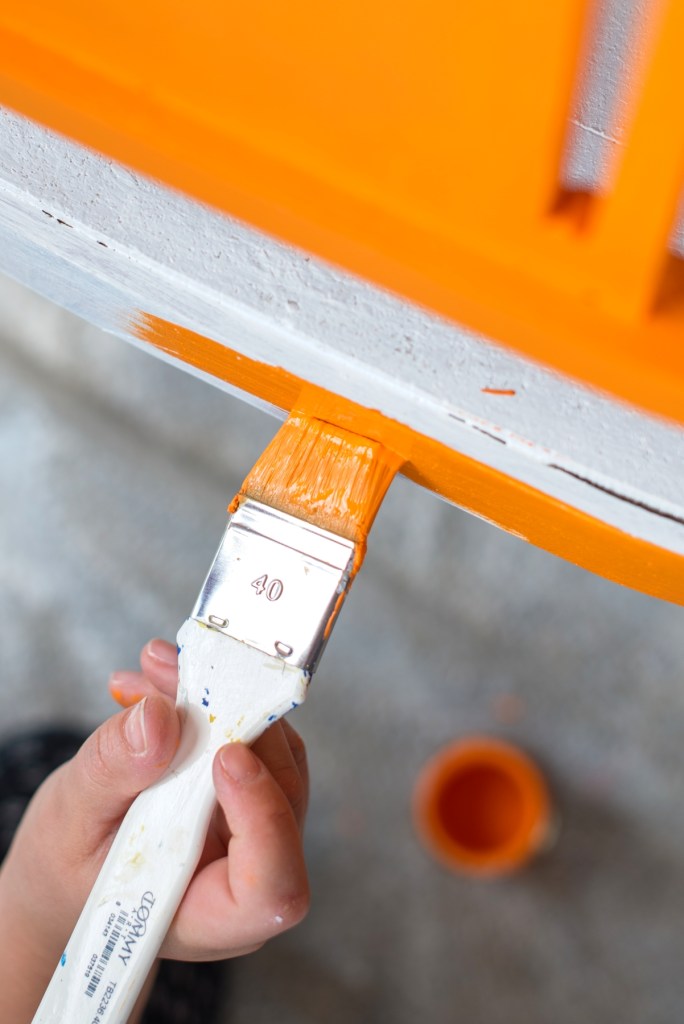
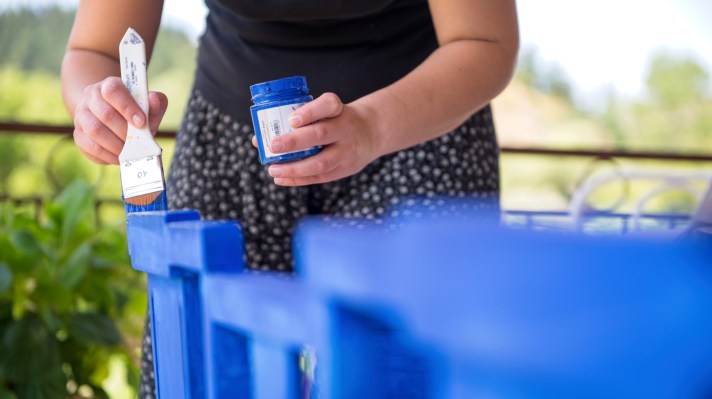
Then came the color.
As the paint dried under the sun, they no longer looked forgotten—they looked like they belonged somewhere again.
On the day she finished, she carried them back into the garden. She placed the chairs facing each other, the little table between them, and set two cups of tea on top. When she sat down, the wood no longer creaked in protest. It held her quietly, confidently.
Maria smiled.
The chairs and the table hadn’t just been restored. They had been given a new story—and somehow, so had she.
Photos by Takis Markopoulos and text by Vasiliki Gkavogianni
 Free Your Coffee